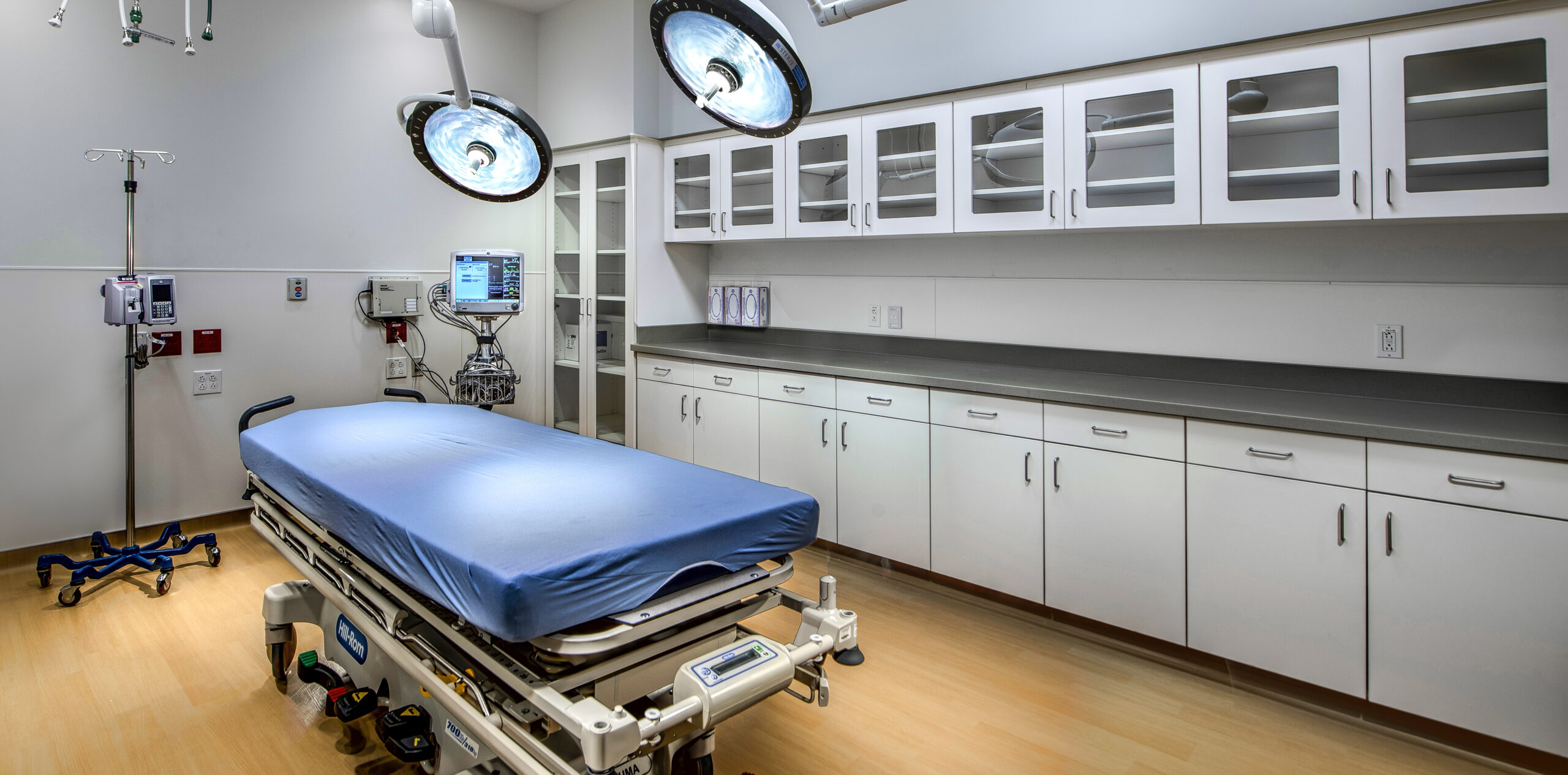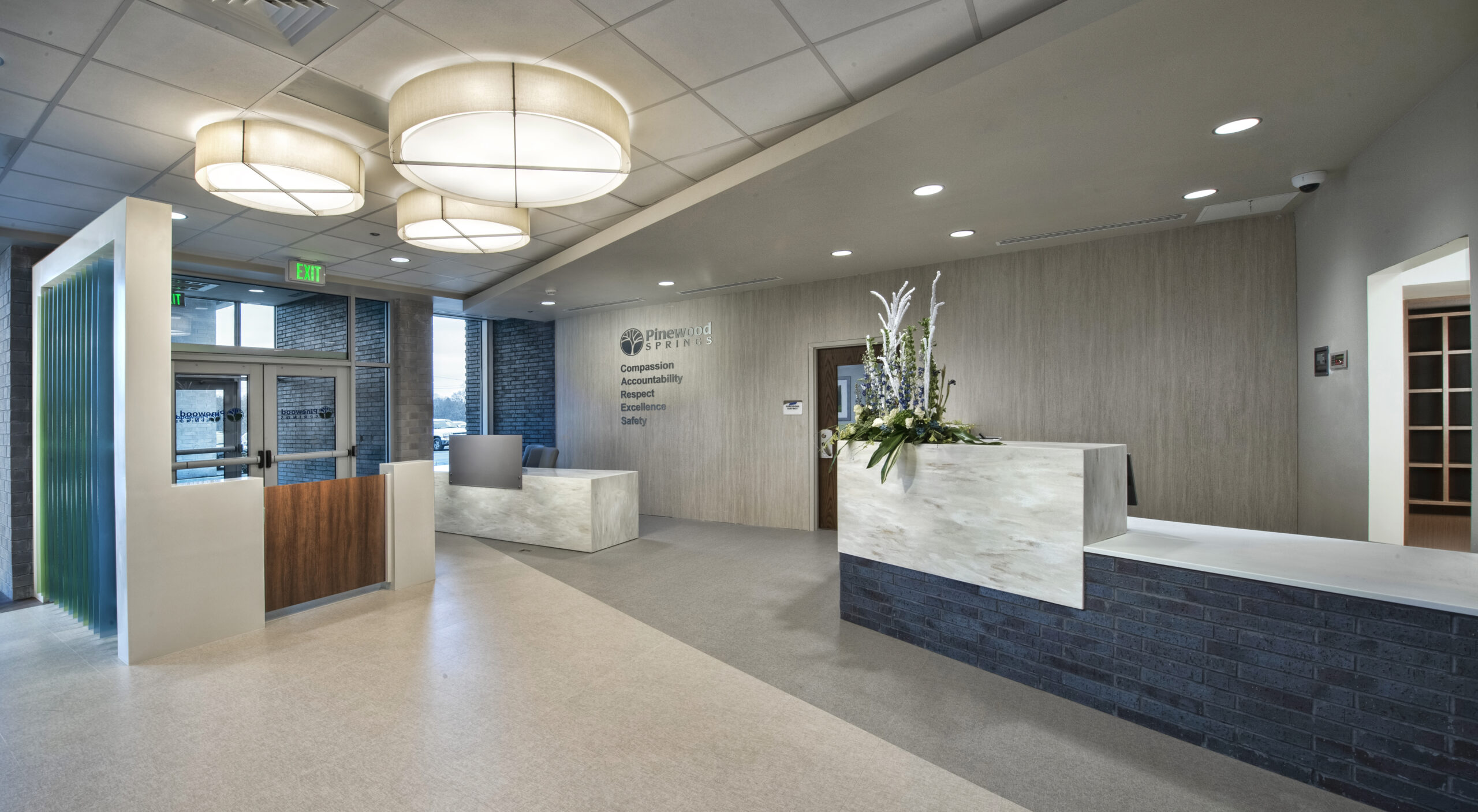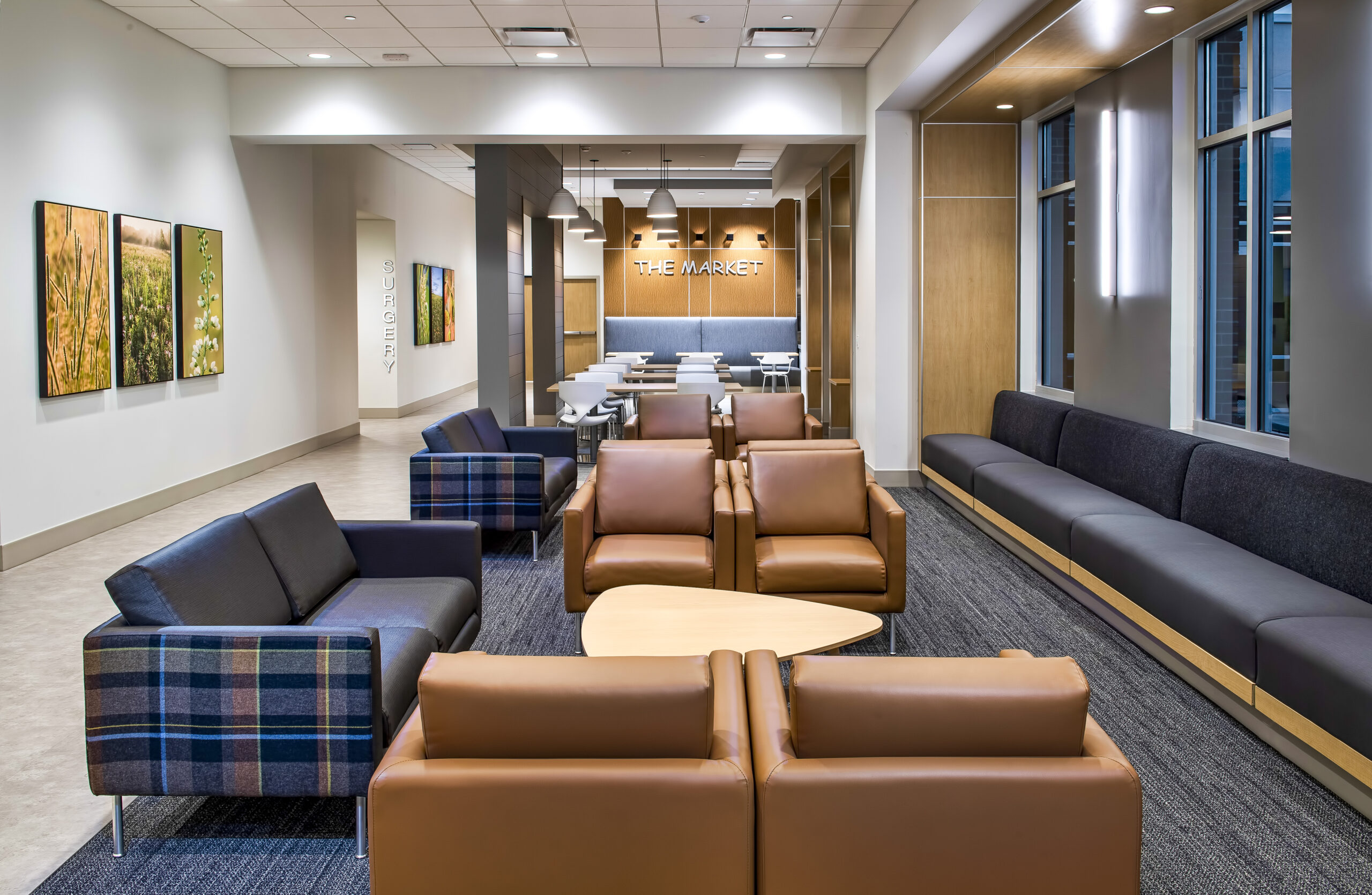
When you walk into a newly-built hospital, you may wonder if you’ve mistakenly entered the lobby of a 5-star hotel. You’ll find upholstered benches, soft lighting, plants, a water feature, and your favorite coffee just around the corner.
If you have kids or grandkids, it’s the perfect time to start that age-old conversation, “Well, back in my day, hospitals were…” Perhaps you recall a cold, sterile environment or being in a room with multiple patients.
Florence Nightingale was one of the first to revolutionize hospital design in the 1800s, creating pavilion or ward-style hospitals that separated patients with communicable diseases. She prioritized windows in the wards for light and ventilation, as well as an open floor plan, so nurses could easily maintain a visual on all patients. Although many attribute evidence-based hospital design to the 1970s or 1990s, Nightingale was a pioneer in this area, relying on infection statistics to make informed decisions.
Nightingale’s practices paved the way for modern-day evidence-based hospital design. This approach to design improves our healthcare facilities, implementing design features that yield the best statistical outcome for patients.
We’ve been in the industry for nearly 40 years, so we’ve seen some significant changes in healthcare design. One is material selection. Gone are the days of plastic laminate countertops in hospitals. DuPont™ Corian® revolutionized the countertop world, quickly replacing porous plastic laminate with durable, easy-to-sterilize solid surface.
One of the most significant changes we’ve seen in healthcare design is improved aesthetics. With the influence of large budgets and interior designers, healthcare facilities are less institutionalized. Warmth and comfort are a priority. Varia has installed upholstered benches, wall paneling, and custom nurse stations to create a welcoming environment in healthcare facilities. In addition to creating a comfortable environment, research shows that hospital aesthetics can significantly aid in patient recovery by improving moods and reducing the need for pain medications.
We’ve also seen trends shift from mega facilities to smaller ambulatory hospitals. These smaller hospitals improve patient satisfaction. Keeping patients healthier through prompt discharge, providers, just like Florence Nightingale, have a mission to reduce the spread of infection.
As more research is collected, healthcare facilities will continue to evolve with the goal of improving outcomes. Healthcare design and construction must be flexible, able to adapt to new technology and materials.